
A Short Paragraph on Save Water: Writing Tips & Structure

Last Updated At: 2 Dec 2025
10 min read
Table of Contents
- What is a Short Paragraph on Save Water?
- Structure of Paragraph Writing on "Save Water" Topic
- Short Paragraph on Save Water in 50 Words
- Short Paragraph on Save Water in 100 Words
- Short Paragraph on Save Water in 150 Words
- Short Paragraph on Save Water in 200 Words
- Sample Short Paragraph on "Save Water, Save Life"
- 10 Lines on How to Save Water at Home
- Items to Add in Paragraph Writing on the topic "Save Water"
- How to Write a Paragraph on Saving Water
- Tips for Writing a Paragraph on "Save Water"
- Mistakes to Avoid While Writing a Paragraph on "Save Water"
- Engaging Introduction Hooks for "Save Water" Paragraph
- Why Add the "Save Water" Topic as Paragraph Writing in the S
- Why Choose PlanetSpark for Creative Writing?
- Develop Writing Skills with PlanetSpark
Saving water is an essential practice that helps preserve life and protect the environment. Conserving water ensures availability for future generations, reduces water scarcity, and supports ecosystems that depend on freshwater. In this blog, we will learn how to draft a blog on the topic of "Save Water" along with writing tips and follow simple actions, such as turning off taps, fixing leaks, and using water efficiently at home, school, and in agriculture, that can make the paragraph better and enhanced.
What is a Short Paragraph on Save Water?
A brief paragraph on saving water highlights the importance of conserving water for both life and the environment. It emphasises the limited availability of freshwater and encourages reducing waste through daily habits, such as turning off taps and fixing leaks.
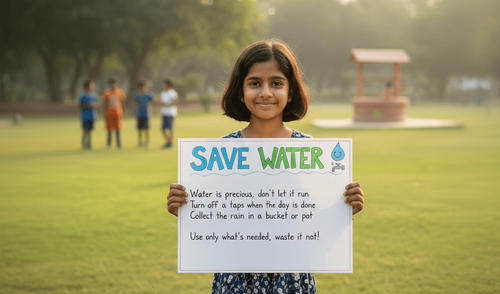
Structure of Paragraph Writing on "Save Water" Topic
To write a paragraph on the topic of "Save Water," you can follow a clear and structured approach that ensures your ideas are organised and conveyed effectively:
- Introduction Sentence (Topic Sentence): Start with one strong sentence or a catchy line that introduces the main idea. For example, highlight the importance of saving water or why it is necessary.
- Explanation or Importance: Briefly explain why saving water is crucial, mentioning factors like limited freshwater availability, environmental impact, or future water scarcity.
- Examples or Practical Tips: Provide specific or real-life examples or simple actions people can take to save water, such as turning off taps, fixing leaks, using water-efficient appliances, or rainwater harvesting.
- Benefits: Mention the benefits of saving water, such as conserving life, protecting nature, reducing water bills, or supporting agriculture and industry.
- Concluding Sentence: End with a motivating or summarising sentence that encourages readers to adopt water-saving habits for a better future.
Short Paragraph on Save Water in 50 Words
Water is one of the most valuable and limited resources essential for life. Saving water helps preserve it for future generations and protects the environment. Small actions, such as turning off taps while brushing, fixing leaks, and using water wisely, can prevent wastage and ensure water availability for all living beings.
Short Paragraph on Save Water in 100 Words
Water is the most precious natural resource necessary for all living organisms. Saving water means using it wisely and avoiding waste to ensure enough supply for future generations. Freshwater is limited, and excessive use leads to shortages affecting humans, animals, and plants. Simple steps to save water include turning off taps when not in use, fixing leaks, using water-efficient appliances, and collecting rainwater. Conserving water also helps protect the environment by reducing energy consumption and pollution. Everyone must contribute to saving water to sustain life and maintain the balance of nature.
Short Paragraph on Save Water in 150 Words
Water is fundamental to life, supporting humans, animals, and plants. However, it is a scarce resource with increasing demand due to growing populations and climate change. Saving water involves adopting habits that reduce unnecessary use and wastage. Some effective methods are turning off faucets when brushing teeth or washing dishes, repairing leaking taps and pipes, using water-saving devices, and watering plants during cooler parts of the day to minimise evaporation. Agriculture and industries, being major water consumers, should implement efficient irrigation and recycling methods. Schools and communities can raise awareness through education to emphasise water conservation. By saving water, we help protect ecosystems, reduce energy use, and prevent water shortages. Water conservation is crucial because it safeguards life and the planet for current and future generations.
Short Paragraph on Save Water in 200 Words
Water is an indispensable resource essential for sustaining life on Earth. Despite its abundance, freshwater suitable for drinking and agriculture is limited and unevenly distributed. Rapid population growth, urbanisation, and climate change have intensified water scarcity, making the conservation of water more critical than ever. Water conservation involves mindful use of resources, preventing wastage, and employing efficient technologies in homes, schools, farms, and industries. Simple actions such as turning off taps when not in use, fixing leaks, using low-flow fixtures, and harvesting rainwater can save significant volumes of water. In agriculture, techniques such as drip irrigation and crop selection can maximise water efficiency. Industries can recycle and treat water to minimise consumption. Educating children in schools about water-saving habits fosters responsible behaviour from a young age. Saving water is not only about preserving a vital resource but also about protecting biodiversity and ensuring a healthier environment. The slogan "Save Water, Save Life" reflects the interdependence of all life forms on water. Everyone's contribution to water conservation helps sustain our planet's ecosystems and secures water availability for future generations.
Sample Short Paragraph on "Save Water, Save Life"
"Save Water, Save Life" is a powerful reminder that water is the foundation of all life on Earth. Conserving water ensures there is enough for drinking, agriculture, and ecosystems. Saving water helps protect wildlife habitats, supports food production, and prevents water scarcity crises. By conserving water, we sustain life for ourselves and future generations.
Let Your Imagination Shine – Enrol in a Free Creative Writing Class at PlanetSpark
10 Lines on How to Save Water at Home
Below are 10 effective measures that can be added to the short paragraph on the topic "Save Water" and can also be practised in real life.
- Turn off the taps while brushing teeth or washing hands.
- Fix leaking faucets and pipes promptly.
- Use a bucket to wash cars instead of a hose.
- Only run washing machines and dishwashers with full loads.
- Install water-efficient showerheads and faucet aerators.
- Collect and reuse rainwater for gardening.
- Water plants early in the morning or late evening to reduce evaporation.
- Avoid overwatering lawns and gardens.
- Use leftover water to water indoor plants.
- Take shorter showers and avoid baths when possible.
Items to Add in Paragraph Writing on the topic "Save Water"
Below are some of the valuable inputs to the paragraph, essay, or storytelling that will enrich the topic further and reach a wider audience.
Reason for Water Shortage
Water shortages arise from population growth, urbanisation, pollution, and climate change, causing droughts, inefficient water use, and depletion of groundwater and surface water sources. These factors reduce the availability of freshwater, leading to scarcity and challenges in meeting human and ecological needs.
Saving Water at School
Schools can save water by educating students about its importance and ways to conserve it through practical actions, such as turning off taps, fixing leaks, using water-efficient devices, and promoting the reuse of water. Installing water-saving fixtures and encouraging students to adopt water-friendly habits helps create a generation that is water-conscious.
Ways to Save Water in Agriculture and Industrial Use
Agriculture uses the largest share of freshwater, so adopting water-saving techniques such as drip irrigation, mulching, and crop rotation is vital. Industries can implement water recycling, wastewater treatment, and efficient cooling systems to reduce their water consumption, helping alleviate pressure on freshwater resources.
Importance of Saving Water
Saving water is crucial to ensure sustainable access to drinking, sanitation, agriculture, and industry. It conserves ecosystems, reduces energy use associated with water treatment, prevents conflicts over water resources, and protects biodiversity. Responsible water use supports both current and future generations.
How to Write a Paragraph on Saving Water
Start with a statement about water's importance, explain why saving it matters, include practical conservation methods which have been listed above, and conclude with a call to action or summary of benefits. Use clear, simple language and relevant examples to engage readers effectively.
Tips for Writing a Paragraph on "Save Water"
- Use simple, clear sentences.
- Focus on the importance and urgency of saving water.
- Include examples of water-saving actions.
- Keep the paragraph concise and focused.
- Use keywords like "water conservation," "save water," "water scarcity," and "environment."
Mistakes to Avoid While Writing a Paragraph on "Save Water"
- Start with an interesting quote to attract the readers.
- Avoid overly technical jargon that confuses readers.
- Do not include unrelated topics.
- Avoid exaggerations or unsupported claims.
- Avoid making the paragraph too long or too short.
- Don’t neglect practical solutions.
- Give real-life examples to support the topic.
Become a Confident Writer with PlanetSpark’s Expert Mentors - Book A Free Trial Now!
Engaging Introduction Hooks for "Save Water" Paragraph
- Imagine a world where every drop of water counts—because it truly does. Saving water today means securing life for tomorrow.
- Did you know that less than 1% of the Earth's water is available for drinking? Learning to save water is more urgent than ever.
- Water sustains life, yet millions face scarcity daily—discover simple ways to save water and protect our planet.
- Saving water isn't just good practice; it's a vital responsibility we owe to future generations and the environment.
- Every time we waste water, we're risking the health of ecosystems and communities. Let’s dive into how saving water saves lives.
- Water scarcity threatens every corner of the globe—understanding how to save water at home, school, and work is key to survival.
- Saving water is more than turning off taps—it's about a movement towards sustainability and life preservation for all living beings.
Why Add the "Save Water" Topic as Paragraph Writing in the Syllabus?
Including a save water paragraph in the school curriculum raises awareness from a young age, teaching students the value of water and how to use it responsibly. It builds lifelong habits of conservation, promotes environmental stewardship, and encourages collective action to combat water scarcity.
Why Choose PlanetSpark for Creative Writing?
PlanetSpark makes learning fun as easy as we immerse fun, pictures, and game-based learning for kids of all age groups. Our online English grammar and writing classes are specifically developed to help kids understand the core concepts and basics, and later apply them in real-world communication. With gamified creative writing courses, your child can practice writing from beginner to advanced level without feeling pressured or bored.
Here’s what makes PlanetSpark different from other ed-tech platforms:
- Step-by-step learning process which starts from beginner's writing topics to advanced concepts like worldbuilding.
- More than 800+ interactive practice worksheets and quizzes specially handpicked and designed by industry experts to make grammar and creative writing easy and engaging.
- Expert certified English teachers with hands-on experience in the teaching industry who can personalise sessions according to the needs of the child.
- Live, 1:1 interactive classes with teachers and trainers who provide instant feedback and offer two-way engagement through active participation.
- Curriculum built around real-world situations to make the learning process seem natural and relevant.
- Learning through games, storytelling, and visual effects makes the child feel that learning is fun and engaging.
- Follows the latest curriculum for students appearing for board exams, so that they feel confident while giving their exams.
Develop Writing Skills with PlanetSpark
Water is one of the most important and precious resources in the world, and saving it is essential for the future. By implementing small changes every day, like turning off the tap while brushing, fixing leaks at home, using a bucket instead of a shower, and implementing other water wastage solutions, we can protect our environment and ensure clean water for every individual and household.
Platforms like PlanetSpark support students not only in gaining such awareness but also in developing strong communication and writing skills to express these important ideas effectively.
Frequently Asked Questions
Start with a strong and engaging sentence, quote or highlighting the importance of water or the need to save it, such as "Water is essential for life, and we must use it wisely to protect our future."
Explain that freshwater is a limited resource affected by pollution and overuse. Mention that saving water helps prevent scarcity and supports ecosystems and human survival.
Include actions like turning off taps while brushing, fixing leaks, using buckets instead of hoses to water plants, and collecting rainwater for reuse.
Yes, highlighting benefits like conserving life, protecting the environment, reducing bills, and preventing water shortages makes your paragraph more convincing.
Yes, paragraph writing is one of the core parts of PlanetSpark’s curriculum. Students learn essay writing, letter writing, speech writing, article writing, etc., along with guided writing sessions to grasp the art of creative writing.
Parents can easily enrol their child through PlanetSpark’s website. A free demo session is also available, where students can experience the live, interactive format and see how PlanetSpark makes grammar and writing fun.