
Kindergarten Math Activities Made Easy and Fun with PlanetSpark

Last Updated At: 8 Jan 2026
8 min read
Table of Contents
- Why Kindergarten Math Needs a Different Approach
- Core Math Skills Children Learn in Kindergarten
- Hands-On Math Activities That Improve Learning
- Visual Math Activities for Better Understanding
- Game-Based Math Activities That Keep Children Engaged
- Tips to Practice Math Everyday for Kindergarten
- Building Confidence Through Math Talk
- From Numbers to Glory: A Young Mind That Stunned the World
- Why PlanetSpark Math Works Better for Kindergarten
- Conclusion
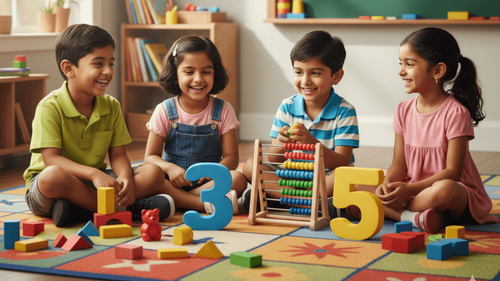
Kindergarten is the stage where children form their first relationship with numbers. At this age, the right kindergarten activities for math shape how children think, count, and solve problems. Children do not learn math by memorizing numbers alone. They learn by touching, moving, speaking, and playing. When math feels fun, learning stays strong.
Parents and teachers now look for learning methods that go beyond worksheets. They want activities that build logic, confidence, and curiosity. PlanetSpark designs math learning exactly this way. It blends structured learning with play-based methods that suit young minds.
This blog explores which math activities work best for kindergarten children. It also explains how PlanetSpark uses these activities to help children learn faster and better.
Why Kindergarten Math Needs a Different Approach
Children between three and six years think differently. They learn through action. They ask questions. They explore patterns. Traditional math drills fail to hold their attention.
Effective kindergarten activities for math must match how children grow and think.
How Kindergarten Children Learn Math
Children at this stage:
- Learn through play
- Understand visuals better than text
- Need repetition with variety
- Build skills step by step
They do not need pressure. They need guidance.
PlanetSpark follows this learning pattern. It focuses on understanding, not rote learning.
Core Math Skills Children Learn in Kindergarten
Before choosing activities, we must understand what math skills matter at this stage.
Key Skills to Develop
Kindergarten math focuses on:
- Number recognition
- Counting and quantity
- Shapes and patterns
- Comparison and sorting
- Basic addition and subtraction
- Measurement concepts
Good kindergarten activities for math support these skills without stress.
Hands-On Math Activities That Improve Learning
Children learn best when they use their hands. Physical movement helps the brain process numbers faster.
1. Counting with Everyday Objects
Children count toys, fruits, or blocks. This method builds number sense.
Example:
- Count pencils
- Count steps
- Count claps
PlanetSpark uses guided object counting in live sessions. Teachers ask children to count items around them. This makes learning real.
This method also introduces math hands-on activities for kindergarten in a natural way.
2. Shape Sorting Games
Children sort shapes by size and type. They compare circles, squares, and triangles.
Benefits:
- Improves visual recognition
- Builds classification skills
- Supports logical thinking
PlanetSpark uses digital shape boards and real-life examples. Children identify shapes in homes and surroundings.
3. Number Line Jumping
Children jump forward or backward while counting numbers.
This activity:
- Builds number order understanding
- Supports early addition and subtraction
- Improves memory
PlanetSpark combines movement with learning. Teachers guide children to visualize numbers while they move.
4. Pattern Recognition Activities
Patterns teach logic. Children identify repeating sequences like:
- Red-blue-red
- Big-small-big
These activities form the base of algebra thinking later.
PlanetSpark includes pattern games using visuals and storytelling.
This method aligns well with numeracy activities kindergarten learning goals.
Story-Based Math Learning
Stories create context. Children remember math better when numbers live inside stories.
How Stories Help Math Learning
Stories:
- Hold attention
- Add emotion
- Improve recall
PlanetSpark uses math stories where characters solve problems using numbers. Children connect emotionally and learn naturally.
Example:
A character shares apples. Children count and subtract along with the story.
Visual Math Activities for Better Understanding
Kindergarten children rely heavily on visuals.
1. Picture-Based Counting
Children count animals, fruits, or objects in pictures.
This method:
- Reduces fear
- Improves focus
- Builds accuracy
PlanetSpark uses animated visuals and interactive slides during live sessions.
2. Comparing Quantities Visually
Children learn concepts like:
- More
- Less
- Equal
Teachers show two groups of objects. Children compare them.
PlanetSpark trains children to explain their thinking verbally. This strengthens clarity.
Game-Based Math Activities That Keep Children Engaged
Games turn learning into fun.
1. Dice Games
Children roll dice and count dots.
This activity:
- Builds number recognition
- Improves speed
- Encourages turn-taking
PlanetSpark includes digital dice games in guided lessons.
2. Board Games with Numbers
Simple board games teach:
- Counting forward
- Waiting turns
- Following rules
PlanetSpark adapts such games into interactive online formats.
Tips to Practice Math Everyday for Kindergarten
Math exists everywhere in a child’s daily routine. Children do not need books or screens all the time to learn numbers. Daily tasks offer many chances to build early math skills. When children use math in real situations, they understand concepts more clearly and remember them longer.
Everyday activities help children see how numbers work in real life. These moments feel natural and stress-free. Children learn without even realizing it.
Counting in Daily Movement
Children climb stairs every day. Parents can ask them to count each step aloud. This simple habit improves number order and counting accuracy. Walking, jumping, and clapping also help children connect numbers with movement. Physical counting builds strong number sense.
Measuring During Daily Tasks
Water play offers a great chance to learn measurement. Children can pour water from one container to another. Parents can ask which container holds more or less. Cooking also helps children learn measurement. Filling cups and bowls introduces volume and quantity in a clear way.
Sorting Objects at Home
Children love sorting. Parents can ask them to sort clothes by color, size, or type. Toys can also be grouped by shape or purpose. Sorting builds logical thinking and classification skills. It also supports problem-solving in a simple way.
Sharing and Dividing Snacks
Snack time teaches early division. When children share fruits or biscuits, they learn equal groups. Parents can ask how many pieces each person gets. This activity introduces basic division and fairness. It also improves counting and comparison skills.
Time and Routine Awareness
Daily routines teach time concepts. Brushing teeth in the morning or setting a bedtime helps children understand sequence. Parents can talk about what happens first, next, and last. This builds order and planning skills.
Comparing Sizes and Quantities
Children can compare shoes, bottles, or boxes at home. Asking which item is bigger or smaller improves observation skills. These questions strengthen reasoning and decision-making.
Daily life activities create strong learning moments. They help children apply numbers naturally. This approach strengthens math ideas for kindergarten beyond the classroom.
Building Confidence Through Math Talk
Children learn math better when they talk about it. Speaking helps them organize thoughts and understand ideas clearly. Math talk encourages children to explain how they think, not just what the answer is. This habit builds confidence and reduces fear around numbers.
Young children often understand more than they can write. When they speak about numbers, they express ideas freely. Talking removes pressure and allows learning to flow naturally.
Explaining Answers Out Loud
When children explain answers aloud, they process information more deeply. Saying numbers and steps helps them remember concepts better. Parents and teachers can ask simple questions like “How did you count?” or “Why did you choose this number?” These questions guide thinking without pressure.
Asking Questions Without Fear
Children feel confident when adults welcome questions. When children ask “why” or “how,” they show curiosity. Encouraging questions teaches children that mistakes help learning. This approach builds a positive relationship with math.
Using Everyday Language for Math
Children understand math better when adults use simple words. Talking about “more,” “less,” “same,” or “next” makes math feel familiar. Using math words in daily conversations helps children connect numbers to real life. This strengthens understanding over time.
Sharing Different Ways to Solve
Children solve problems in different ways. Allowing them to share methods builds confidence. Listening to other ideas also improves thinking skills. Children learn that math has many paths, not one fixed rule.
Encouraging Complete Sentences
Speaking in full sentences helps children organize ideas. Instead of saying only numbers, children explain steps clearly. This practice improves clarity and logical thinking. It also supports language development.
Creating a Safe Learning Space
Children speak freely when they feel safe. Adults should listen patiently and avoid quick corrections. Gentle guidance helps children trust their thinking. Confidence grows when effort matters more than speed.
Math talk turns learning into communication. It builds understanding, confidence, and clarity together.
Role of Teachers in Math Classes
Teachers guide. They do not rush. Good teachers:
- Use child-friendly language
- Encourage mistakes
- Offer clear feedback
How Online Learning Works for Kindergarten Math
Online learning works when done right. It keeps:
- Small class sizes
- High interaction
- Visual focus
Tracking Progress in Kindergarten Math
Progress matters, so track:
- Concept clarity
- Speed improvement
- Confidence level
Parents receive regular feedback.
From Numbers to Glory: A Young Mind That Stunned the World
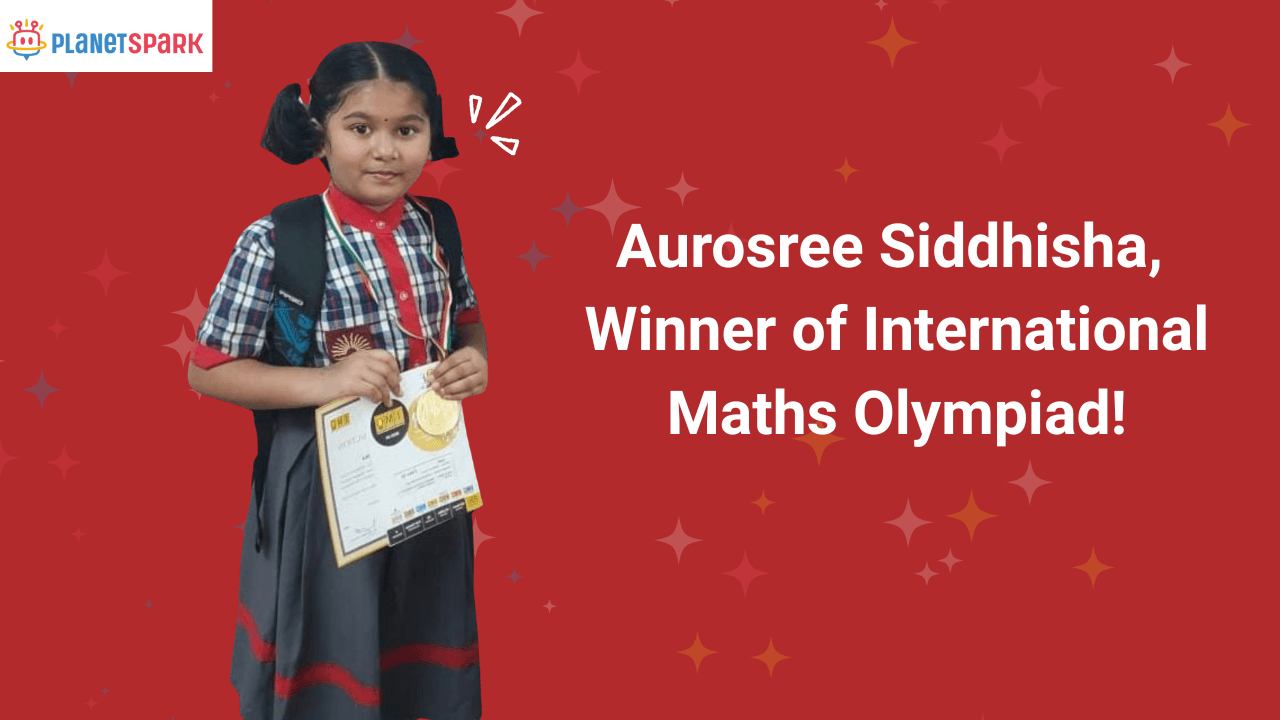
Aurosree Siddhisha delivered a remarkable victory at the International Maths Olympiad, proving that brilliance knows no age. With PlanetSpark shaping the journey, passion met precision and the world took notice.
Why PlanetSpark Math Works Better for Kindergarten
PlanetSpark does not treat math as numbers alone. It treats math as a thinking skill.
What Makes PlanetSpark Math Unique
- Live expert teachers
- Play-based learning model
- Structured curriculum
- Strong focus on logic
- Interactive digital tools
- Parent-friendly feedback system
PlanetSpark blends fun with discipline. Children enjoy learning. Parents see results. Its math program supports language, logic, and confidence together. This balanced approach makes PlanetSpark ideal for kindergarten learners.
Conclusion
Strong math skills start early. The right kindergarten activities for math help children enjoy numbers without fear. Hands-on learning, stories, games, and visuals create deep understanding.
PlanetSpark combines all these elements into one powerful learning system. It supports children at every step. It builds confidence, clarity, and curiosity. Early math learning shapes future success. PlanetSpark ensures that the foundation stays strong.
Frequently Asked Questions
PlanetSpark supports children who need extra help with patience and repetition. Teachers adjust teaching methods based on the child’s comfort level. They encourage questions and mistakes. This support helps children overcome fear and improve steadily.
Teachers observe each child’s performance during live sessions. They track understanding, participation, and improvement. Parents receive structured feedback regularly. This system helps parents support learning at home.
PlanetSpark blends logic, communication, and play in every lesson. Children explain answers aloud and share their thinking. This practice improves clarity and reasoning skills. It also builds strong confidence in math.
Online math classes work well when sessions stay interactive and short. Children stay engaged through visuals and games. PlanetSpark uses small batch sizes to ensure personal attention. Live interaction keeps children focused and involved.
PlanetSpark teaches math through live classes, games, stories, and visuals. Teachers guide children step by step during every session. Each concept connects to real-life examples. This method builds understanding and confidence together.
Kindergarten activities for math help children understand numbers in a natural way. These activities build thinking and problem-solving skills instead of rote learning. Children learn faster when math feels like play. This approach also improves confidence and curiosity.